SEO
How to Appear in Google AI Search Results in 2026
Understand Google AI Overviews and AI Mode eligibility, then improve crawlability, useful content, evidence, images and measurement without ranking promises.

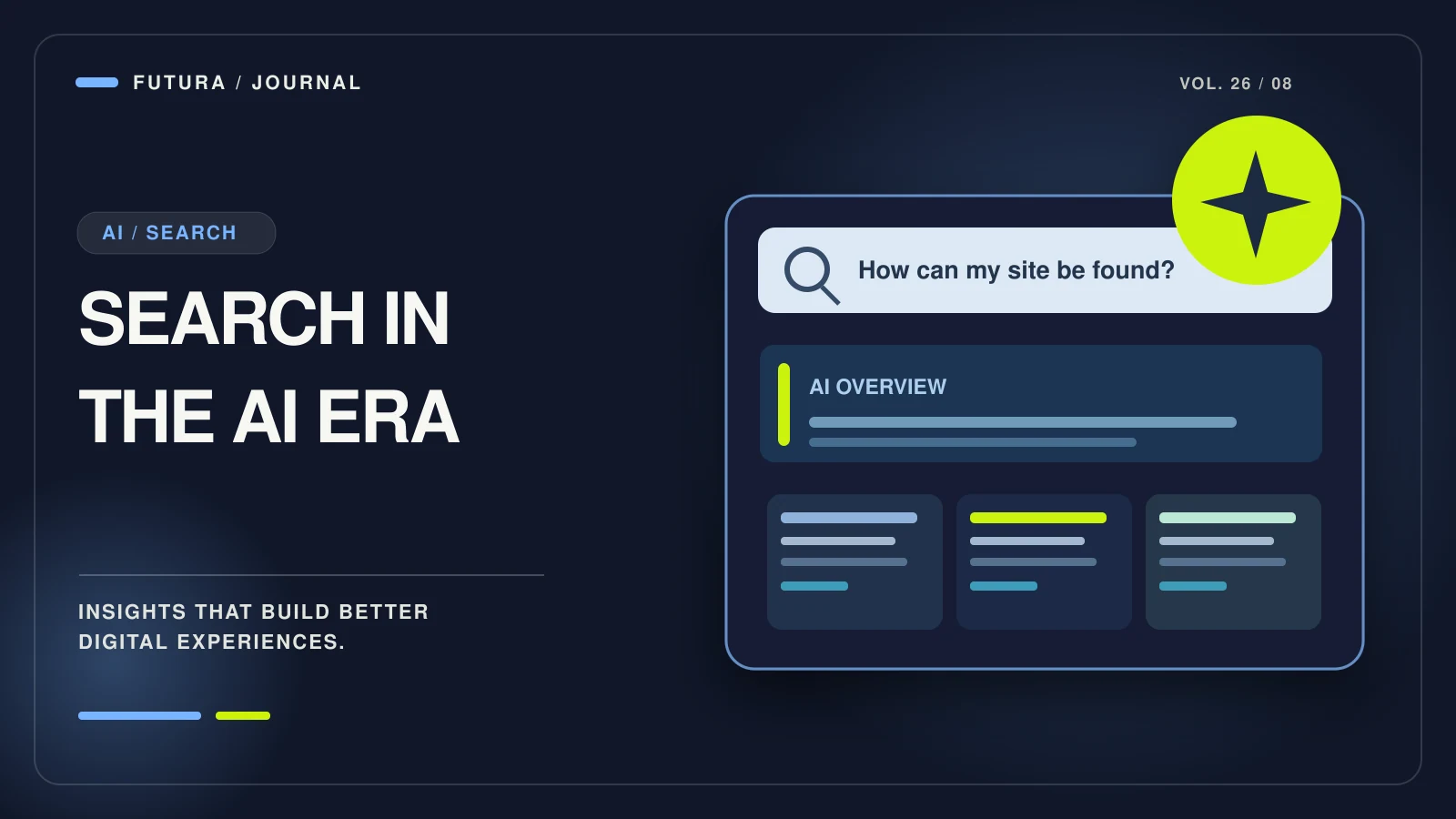
For Google AI Overviews and AI Mode, eligible supporting pages must be indexed and snippet-eligible. Google lists no extra technical requirements; selection is not guaranteed.
For a business owner, that shifts the question from “Which GEO trick should we buy?” to “Can our best information be discovered, understood and trusted?” A clear explanation of a real customer problem is a stronger starting point than producing large numbers of generic AI-targeted pages.
This article separates Google’s published AI-feature guidance from our practical editorial recommendations. We do not promise citations, rankings or a particular amount of AI-search traffic.
- Google does not require a secret AI file or special AI schema.
- Separate technical eligibility, actual indexing and selection.
- Publish useful evidence and verify business outcomes.
Understand the difference between eligibility and selection
Google’s guidance says that existing SEO fundamentals apply, structured data should match visible content, and a special AI text file or new schema type is not required for inclusion. Those are useful boundaries when evaluating a supplier’s offer.
A claim that a proprietary file guarantees AI citations should therefore trigger a request for evidence. Ask what actual page, content or technical problem the work solves, how it will be measured and which outcome the supplier can genuinely control.
Audit the pages that deserve to be found
Choose a small set of high-value questions your customers ask before buying. For each, identify the page that gives your best answer. If several pages repeat the same broad explanation, improve their roles before creating more content.
Then inspect the technical path: the URL should work, important content should be available to a crawler, internal links should lead to it and canonical/indexing settings should reflect your intent. Google’s technical search requirements provide the baseline; passing an audit is not proof that Google has indexed the page.
Check current Search Console evidence separately. A sitemap submission can help discovery, but it is not an indexing receipt. Distinguish a successful HTTP response, an indexable page and an actually indexed URL when discussing results with your team.
Answer a complete customer decision, not just a keyword
A business question usually has constraints. “How much does a website cost?” becomes useful when the answer explains scope, ownership, recurring costs and what is not included. “Can I accept payments?” needs merchant eligibility and operating details, not a list of fashionable platforms.
Build an article around the decision a reader must make next. Give a direct answer near the start, then explain conditions, trade-offs and steps. Use an example that clarifies a choice rather than an invented case study that implies commercial success.
For example, our Morocco website-cost guide distinguishes an approved starting point from a personalized quotation. The Morocco e-commerce guide separates a storefront from payment approval and fulfilment. Those distinctions help a reader ask better questions, regardless of which search feature brought them to the page.
Make expertise visible through evidence and limits
Publish what you can substantiate: an implementation decision, a comparison based on current product documentation or an accurately described public project. Explain what was observed and what remains unknown. Do not turn a screenshot into a claim of revenue improvement.
Keep attribution accurate. Use an organization byline when it reflects the real publishing responsibility; do not invent a specialist biography to make content appear more authoritative. Link directly to primary documentation for technical or commercial facts and record when unstable information was checked.
Google’s people-first content guidance is a useful editorial reference. In practice, our test is whether a customer could use the article to make a better decision without contacting us first.
Structure content so the relationships are clear
Use descriptive headings, readable paragraphs and tables when the comparison is genuinely easier to scan. Keep important qualifications next to the claim they limit. A low advertised fee should not be separated from its billing term by several screens of marketing copy.
Link related explanations where they help the reader complete a task. A pricing article can refer to platform ownership and supplier selection without trying to rank for every adjacent topic. A service page can show how to act on the information without turning the entire article into an advertisement.
Useful structure is not a promise that a search system will extract a particular paragraph. Avoid mechanically adding the same question-and-answer pattern to every section solely to look machine-readable.
Use images and structured data accurately
A relevant original image can make an article easier to recognize and share. Give it meaningful alternative text, serve an appropriate size and use a stable crawlable URL. Do not hide the main explanation inside an image that has no equivalent readable text.
For articles, Google’s Article structured-data documentation describes supported fields such as author, dates and images. The markup should describe the actual page. It should not invent a reviewer, publication date, rating or organization credential.
Reader FAQs can be useful without FAQPage markup. Do not sell FAQ-rich-result eligibility or “AI schema” as a generic benefit for an agency blog. Choose markup because it accurately represents the content, not because it appears in a tactic checklist.
Measure qualified outcomes without inventing AI attribution
Start with the business outcome you want: a useful enquiry, an accepted consultation request or a confirmed purchase. Agree what counts and where that result is verified. A visit, an interaction and a qualified lead are separate events.
Google’s current guidance describes AI-feature traffic within Search Console’s overall Web search reporting. Use the reporting available in your own property; do not label every unfamiliar visit as an AI referral or claim a separate number you cannot verify.
| Question | Evidence to review | What it does not prove |
|---|---|---|
| Can the page be found technically? | HTTP, crawlability, canonical and link checks | That Google indexed it |
| Does Google know the URL? | Current Search Console inspection | That it will be cited in AI answers |
| Does the article attract relevant readers? | Query/page observations and appropriate analytics | That one layout edit caused the change |
| Does it support the business? | Verified lead or purchase records | A guaranteed future conversion rate |
Keep a dated change log and review a sensible period, accounting for seasonality and other releases. Improve weak explanations and broken journeys before producing another batch of near-identical pages.
A defensible plan for the next month
Select a few customer decisions, improve the best existing pages, resolve demonstrated technical barriers and connect the content to an appropriate next step. Monitor what the evidence actually shows. That creates a useful publishing system even when search interfaces change.
For a location-dependent business, our local SEO guide for Morocco explains the separate importance of accurate local business information. AI-search visibility should complement that work rather than replace it.
A technical website implementation review can investigate the controllable page and navigation issues before another content release.
FAQ
Common questions
Is there special schema for appearing in AI Overviews?
Google’s current guidance does not require special AI schema. Use applicable structured data accurately and keep it consistent with the visible page.
Do I need llms.txt to appear in Google AI Search?
Google does not list a special AI text file as an inclusion requirement. Do not treat one as a substitute for crawlability, useful content and accurate technical signals.
Can an agency guarantee AI citations?
No. A supplier can improve controllable inputs and report observed results, but selection and display are decisions made by the search system.
Should we rewrite every article as an FAQ?
No. Use the structure that best answers the reader’s problem. FAQs should address genuine remaining questions rather than repeat the entire article in another format.
Does being in the sitemap mean our article is eligible?
Not by itself. The page must meet the relevant technical and indexing conditions. A sitemap entry does not establish actual indexing or guarantee a search appearance.
Sources
Primary sources for the claims above, last checked on 2026-10-16.
- AI features and your website — Google Search Central
- Technical requirements — Google Search Central
- People-first content — Google Search Central
- Article structured data — Google Search Central
Have a project in mind?
Audit your search foundations
Share your goals and requirements with Futura. A team member can assess the scope; no automatic quotation or outcome is promised.
Discuss your project